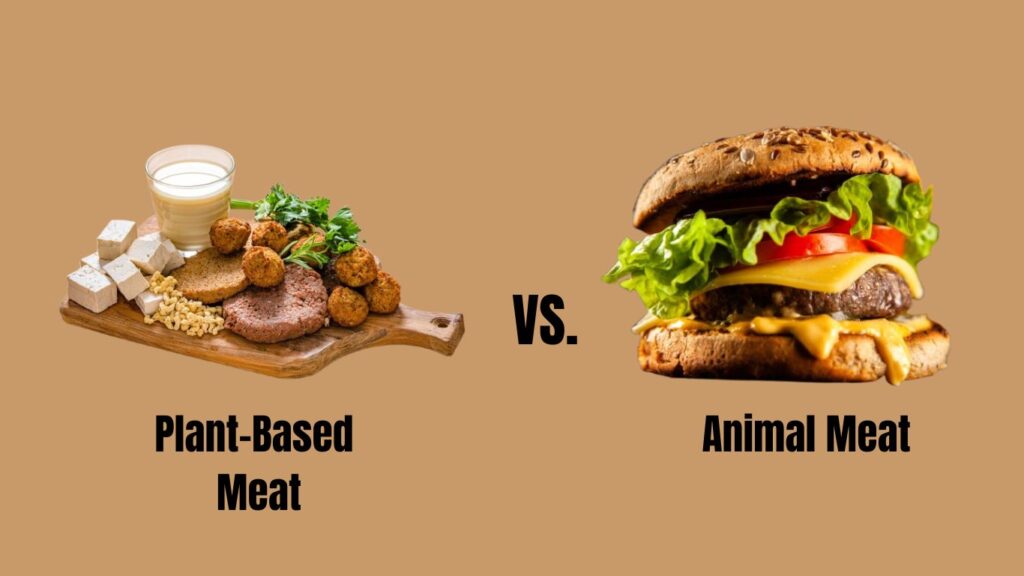
Nutritional benefits of plant-based meats vs animal meats have sparked global curiosity, especially among those adopting flexitarian, vegetarian, or vegan diets. Based on our research, shifting to plant-based meat nutrition has become a smart move for health-conscious eaters. With rising awareness of sustainable diets and innovations from brands like Greenmeat, understanding the core benefits of plant-based meats vs. animal meats is more relevant now than ever.
What Are Plant-Based Meats Made Of?
Plant-based meats are designed to look, cook, feel, and taste like animal based or animal derived meat, though they are made using natural, plant-based ingredients. Plant-based meat substitutes are created using natural ingredients that mimic the taste and texture of animal meat. These include:
- Proteins: Soy protein isolate, pea protein, wheat gluten, legumes
- Binders & texture: Mushrooms, textured vegetable protein, dietary fibres, seitan
- Flavour enhancers: Leghemoglobin (plant heme), natural flavours, and oils
Plant-Based Meats are used to make products such as Burgers, nuggets, sausages, deli slices etc.
In our findings, innovations in flavour and texture allow these substitutes to closely match traditional meat consumption experience while offering added nutritional benefits.
Macronutrient Comparison: Plant-Based vs. Animal Meats
While comparing the Nutritional benefits of plant-based meats vs. animal meats, we need to understand the components of core nutrients—protein, fat, carbs, and fiber—between both meat types to help you make informed dietary decisions.
Protein Content & Quality
Animal meat: Complete protein (18g – 22g /100g), high digestibility
Plant-based meats: 20-27g /100g of protein from a variety of pulses containing all amino acids with similar high digestibility as animal meat
Most use soy or yellow pea protein, rated high on PDCAAS (a measure of protein digestibility and completeness of amino acid profile)
Fat & Cholesterol
Fats and cholesterol levels significantly affect heart health and overall wellness.
Animal meats: Contains animal fats that are higher in saturated fats, trans fats, and cholesterol .
Plant-based meats: Lower saturated fat (< 3.5g) and zero cholesterol and transfats
Oils used: Canola oil, coconut oil, or olive oil, rich in unsaturated fat and omega-3s
Carbohydrates & Fiber
Understanding carbs and fiber is key for energy management and digestion.
Plant-based: More carbs but also contains health dietary fiber (>3g vs. 0g in animal meats)
Supports digestion, nutrient absorption, and better glycemic control.
Micronutrient Comparison: Vitamins & Minerals
Micronutrients like iron and B12 differ significantly in source and absorption between plant and animal meats.
- Vitamin B12: Natural in animal meats, supplimented in plant-based meats
- Iron: Animal meats = heme iron (high absorption); plant = non-heme (requires C-rich foods for absorption)
- Zinc, selenium, calcium: More bioavailable in animal meat
- Sodium: Comparable levels in raw plant-based and animal-based meats, though final values in prepared dishes depend upon the amount of salt added in the recipe for taste .
Fortified vegan protein sources often include nutritional yeast, calcium, and iron to bridge nutritional gaps.
Health Impacts of Plant-Based vs. Animal Meats
The health insights reveal how each meat option influences heart, weight, and chronic disease risks.
Heart Health
Plant-based meats have lower saturated fats and zero transfat & cholesterol
Animal meat, especially red meat, linked to increased LDL cholesterol and heart risk
Weight Management & Metabolism
Plant-based: Lower calorie density, higher fiber = improved satiety
Helps reduce overeating and supports metabolism
Chronic Disease Risk
Red meat tied to increased colorectal cancer and diabetes risk
Plant-based diets linked to reduced inflammation and better long-term health outcomes
Practical Recommendations for Consumers
Choosing the right meat type depends on your dietary needs, so here are a few practical tips to guide your choices.
- Omnivores: Balance both types to meet daily protein needs
- Check labels: Look for low sodium, high protein, figh fibre, low fat, fortified options
- Whole food choices: Beans, lentils, tofu, tempeh are top picks
- Meal ideas: Combine plant meats with whole grains, veggies, and healthy fats
Refer to MyPlate and Dietary Reference Intakes (DRI) for daily guidance
Nutrient Comparison Table:
Nutrient | Animal Meat Burger (Beef 100g) | Plant-Based Burger (100g) |
Protein | 18g | 19g |
Fat | 15g | 12g |
Saturated Fat | 6g | 3.5g |
Cholesterol | 70mg | 0mg |
Fiber | 0g | 3g |
Sodium | 414mg | 350-450mg |
Iron | 2.1mg(heme) | 4.0mg(non-heme) |
Vitamin B12 | 2.17 µg | 2.8µg (fortified) |
Conclusion – Which Option Is Better?
The nutritional benefits of plant-based meats vs. animal meats show both have value. Animal meats offer better iron absorption and bioavailable vitamin B12, while plant-based meats come with cholesterol-free, high-fiber, and low fat advantages.
In our findings, plant-based meat nutrition aligns with a balanced diet, offering sustainable, heart-friendly options. However, personal goals, health status, and dietary preferences should guide your choice.
At Greenmeat, we deliver high quality, nutrient-rich, preservative free, additive free, and all natural plant-based meat substitutes made for modern lifestyles. Choose smarter. Choose sustainable. Choose Greenmeat.