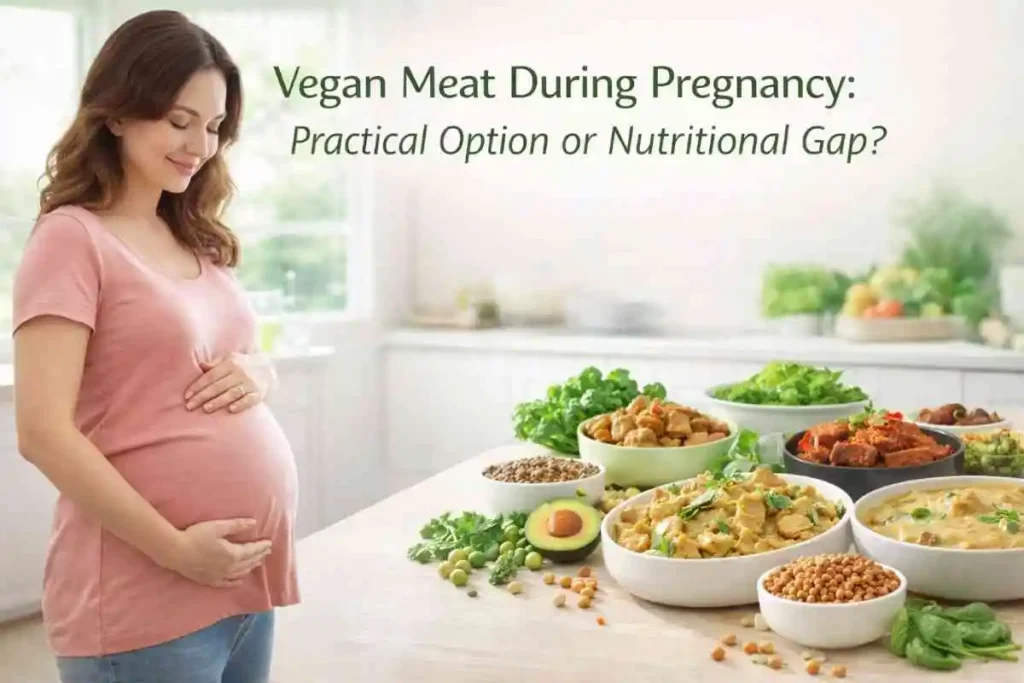
Vegan meat during pregnancy has become a central topic as plant-based eating enters mainstream maternal nutrition. But a critical question remains: Is vegan meat safe during pregnancy? Globally, vegan meat is a modern variable missing from many traditional pregnancy nutrition studies. Based on our research, pregnancy represents a critical nutritional window where dietary shortcuts can have lifelong effects on maternal and fetal health. In our findings, convenience foods are often evaluated for ethics or taste rather than true nutritional adequacy. Expectant mothers increasingly seek practical, modern solutions without compromising fetal development. In our experience, confusion arises when vegan ideology intersects with increased biological and micronutrient demands. This blog translates scientific debate into a clear, real-world decision framework for informed pregnancy nutrition choices.
Why Vegan & Plant-Based Diets Are Increasing Among Pregnant Women
Vegan diet during pregnancy trends reflect broader lifestyle shifts, while vegan meat safety during pregnancy captures growing concern around adequacy. Globally, plant-based diets are rising due to health awareness, ethical considerations, and cultural norms. Pregnancy does not reverse these values but intensifies scrutiny of food choices. Based on our research, many women adopt vegan diets before conception and seek continuity during pregnancy. Social media, medical advice, and sustainability narratives further reinforce plant-based commitment. In our findings, motivation—not trendiness—drives adherence. Understanding these motivations is essential to evaluating whether vegan meat supports or undermines maternal nutrition goals.
Health-Driven Reasons
- Improved cardiovascular health through reduced saturated fat intake
- Better gestational weight management and BMI control
- Lower risk of metabolic conditions such as insulin resistance
- Higher fiber intake supporting digestion and gut health
- Potential reduction in gestational diabetes risk
- In our experience, health benefits are the primary driver
Ethical, Environmental & Cultural Factors
- Sustainability concerns and reduced environmental footprint
- Ethical eating choices during pregnancy linked to animal welfare
- Religious vegetarianism across India, and parts of Asia.
- Cultural family traditions shaping food habits
- Desire to align pregnancy with long-term values
- Plant-based lifestyle consistency during pregnancy
Role of Modern Vegan Meat Products
- Taste familiarity resembling traditional meat dishes
- Convenience during nausea and fatigue phases
- Perceived protein adequacy without animal products
- Easy inclusion in culturally familiar meals
- Marketed as “better” or “No1” alternatives
- In our findings, perception often exceeds nutrition
What Is Vegan Meat? Nutritional Context
Vegan meat during pregnancy requires distinct evaluation because it differs from whole-food vegan diets, raising questions like is vegan meat safe during pregnancy. Vegan meat refers to processed plant-based products designed to mimic animal meat. These products were largely absent from early pregnancy nutrition research. Based on our research, nutritional value varies widely by brand and formulation. Some products are clean label, some are fortified, while others rely heavily on additives. Understanding composition helps separate useful tools from potential nutritional gaps. Context and frequency determine whether vegan meat supports or compromises pregnancy nutrition.
To better understand how these products are made and what differentiates them nutritionally, readers can explore our detailed blog “What Are Plant-Based Meat Substitutes? A Beginner’s Guide”, which explains vegan meat and how they fit into modern diets.
H3: Common Ingredients in Vegan Meat
- Soy protein isolate or concentrate
- Pea protein isolate or concentrate for allergen-friendly options
- Wheat gluten (seitan) for meat-like texture
- Legumes and pulses as protein bases
- Oils, binders, and flavor enhancers
H3: How Vegan Meat Differs From Whole Plant Foods
- Higher processing levels than lentils or beans
- Added fortification with B12 or iron
- Some vegan meats have higher sodium and preservative content
- Lower fiber compared to whole foods
- Longer ingredient lists
- Convenience prioritized over nutrient density
H3: Vegan Meat vs Animal Meat – Nutritional Snapshot
- Comparable protein quantity per serving
- Lower saturated fat levels
- Absence of natural vitamin B12
- Iron present only as non-heme
- No DHA or cholesterol
- Requires dietary planning
H2: Nutritional Demands During Pregnancy – What Changes and Why
Pregnancy increases nutritional requirements due to rapid fetal growth, hormonal changes, and early life programming. Energy and nutrient needs shift by trimester, making adequacy critical for maternal and fetal outcomes.
H3: Increased Energy & Protein Requirements by Trimester
- Minimal calorie increase in first trimester
- Moderate increase in second trimester
- Highest energy demand in third trimester
- Protein needs rise steadily across pregnancy
- EFSA and IOM guidelines emphasize quality
- Plant-based protein during pregnancy must be strategic
H3: Key Micronutrients Critical for Fetal Development
- Protein for tissue and organ formation
- Iron for oxygen transport and placental health
- Folate for neural tube development
- Vitamin B12 for neurological function
- Vitamin D and calcium for bone health
- DHA, iodine, and zinc for brain development
H2: Can Vegan Meat Meet Pregnancy Protein Requirements?
Vegan meat during pregnancy can support intake, but Is vegan meat safe during pregnancy depends on protein quality and dietary context. Protein adequacy involves digestibility, amino acid profile, and total intake.
H3: Protein Quality & Digestibility (PDCAAS)
- Many of the plant proteins generally score lower than animal proteins. However, Isolated Soy Protein scores better than animal proteins and Isolated Pea Protein scores very close to animal proteins.
- Soy and pea proteins score highest among plants. And their PDCASS scores improve when protein is isolated from the pulses.
- Soy Protein is considered a complete protein in terms of its amino acid profile.
- Processing can improve digestibility
- Amino acid completeness is critical
- Combining sources improves quality
- Planning offsets limitations
H3: Typical Protein Contribution from Vegan Meat
- Average serving provides 15–20g protein
- Supports daily protein targets
- Sodium content varies widely
- Best used as part of meals
- Complements whole foods
H3: Complementary Protein Strategy
- Combine vegan meat with legumes
- Pair with whole grains
- Add nuts and seeds
- Balance essential amino acids by using a mix of pulses
- Improve overall protein quality
- Best results seen with variety
H2: Major Nutritional gaps in Vegan Pregnancy
Based on our research, micro nutrient gaps, not protein, are the most important point to ensure during vegan pregnancy. In our findings, these gaps often develop silently, making early planning, regular monitoring, and appropriate supplementation essential for protecting both maternal health and optimal fetal development.
H3: H1: Vitamin B12 – Highest Risk Nutrient
- Deficiency linked to anemia and neurological damage
- Supplementation is essential
- Regular monitoring required
- High-risk nutrient
H3: Iron – Absorption Matters More Than Intake
- Non-heme iron has lower absorption
- Phytates inhibit iron uptake
- Vitamin C enhances absorption
- Iron deficiency common in pregnancy
- Supplementation is essential
- Strategy more important than quantity
- Label awareness essential
H3: Calcium, Vitamin D, Omega-3 & Zinc
- Calcium bioavailability varies by source
- Vitamin D relies on sunlight and supplements
- DHA conversion from ALA is limited
- Zinc affects immunity and growth
- Often overlooked nutrients
H2: Is Vegan Meat Safe During Pregnancy?
So, is vegan meat safe during pregnancy? In our findings, safety depends on planning, frequency, and supplementation rather than exclusion or blind reliance.
H3: What Major Nutrition Bodies Say
- Academy of Nutrition & Dietetics supports planned vegan diets
- WHO stresses supplementation importance
- EFSA highlights regional deficiency risks
- European guidance remains mixed
- Consensus favors monitoring
- Safety linked to planning
H3: Vegan Meat as a Tool vs a Standalone Solution
- Helps meet protein requirements
- Improves dietary adherence
- Does not replace supplements
- Best used strategically
- Not a complete solution
H2: How to Use Vegan Meat Safely During Pregnancy
Using vegan meat strategically maximizes benefit while minimizing nutritional risk. In our experience, mindful portion control and smart food pairing help expectant mothers meet increased nutritional needs without creating hidden micronutrient gaps.
H3: Frequency & Portion Guidance
- Avoid daily over-dependence
- Use 2–3 times per week
- Rotate protein sources
- Monitor sodium intake
- Balance with whole foods
- Moderation ensures safety
H3: Pairing Vegan Meat with Nutrient-Dense Foods
- Iron-rich foods with vitamin C
- Calcium-rich low-oxalate vegetables
- Healthy fats for absorption
- Whole grains for fiber
- Diverse meals improve outcomes
- Nutrient synergy matters
H3: Label Reading Checklist
- Protein per serving
- Sodium content
- Fortification (B12, iron, calcium)
- Ingredient transparency
- Added sugars
Presence of artificial or synthetic ingredients
H2: Final Verdict – Practical Option or Nutritional Gap?
Vegan meat during pregnancy can be a practical option for meeting increased protein needs when used wisely. The core concern, is vegan meat safe during pregnancy, depends on overall dietary balance rather than the product alone. In our experience, vegan meat supports convenience but should not replace whole, nutrient-dense foods. Nutritional safety relies on proper planning, consistent supplementation, and regular monitoring of key nutrients. Well-balanced vegan diets, when carefully managed, show pregnancy outcomes comparable to omnivorous diets.
Contact Greenmeat now to explore premium vegetarian meat substitutes and support a confident, well-planned plant-based pregnancy.